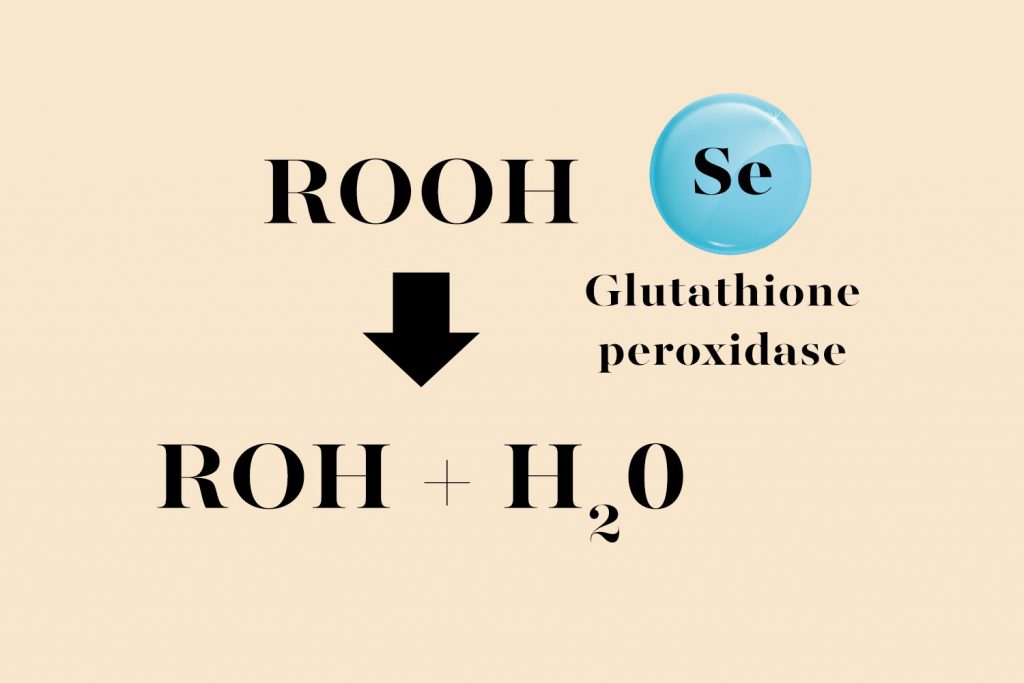
This means your glutathione IV therapy can have a more lasting impact, instead of being quickly drained by counterproductive lifestyle factors
A study with human cells found that too much glucocorticoid causes too much ROS to be made, which disturbs the balance of metabolic processes and changes the way the vascular endothelium looks and works (3)
At that depth, the winds and banding we see on the surface give way to more homogeneous structure, and under that Jupiter rotates nearly like a rigid ball
Legitimate Research Directions: Some peptides DO have potential and are being properly studied: Thymosin Alpha-1: Immune support (approved in 35+ countries, trials in US) BPC-157: IF proper human trials ever happen LL-37: Antimicrobial applications Others: Many peptides have theoretical promise But ONLY if studied properly: Randomized controlled trials Safety studies FDA approval process Medical supervision The Problem: Most "wellness peptides" will NEVER go through this process because: They can't be patented (no profit incentive) Companies would rather sell in gray market Proper trials cost $100M+ If trials show they DON'T work, the market disappears So we're stuck in limbo: promising animal data, zero human data, aggressive marketing
Andrew Huberman, a neuroscientist and professor of neurobiology and ophthalmology, suggests limiting BPC-157 usage to eight weeks and taking an eight-week break or more





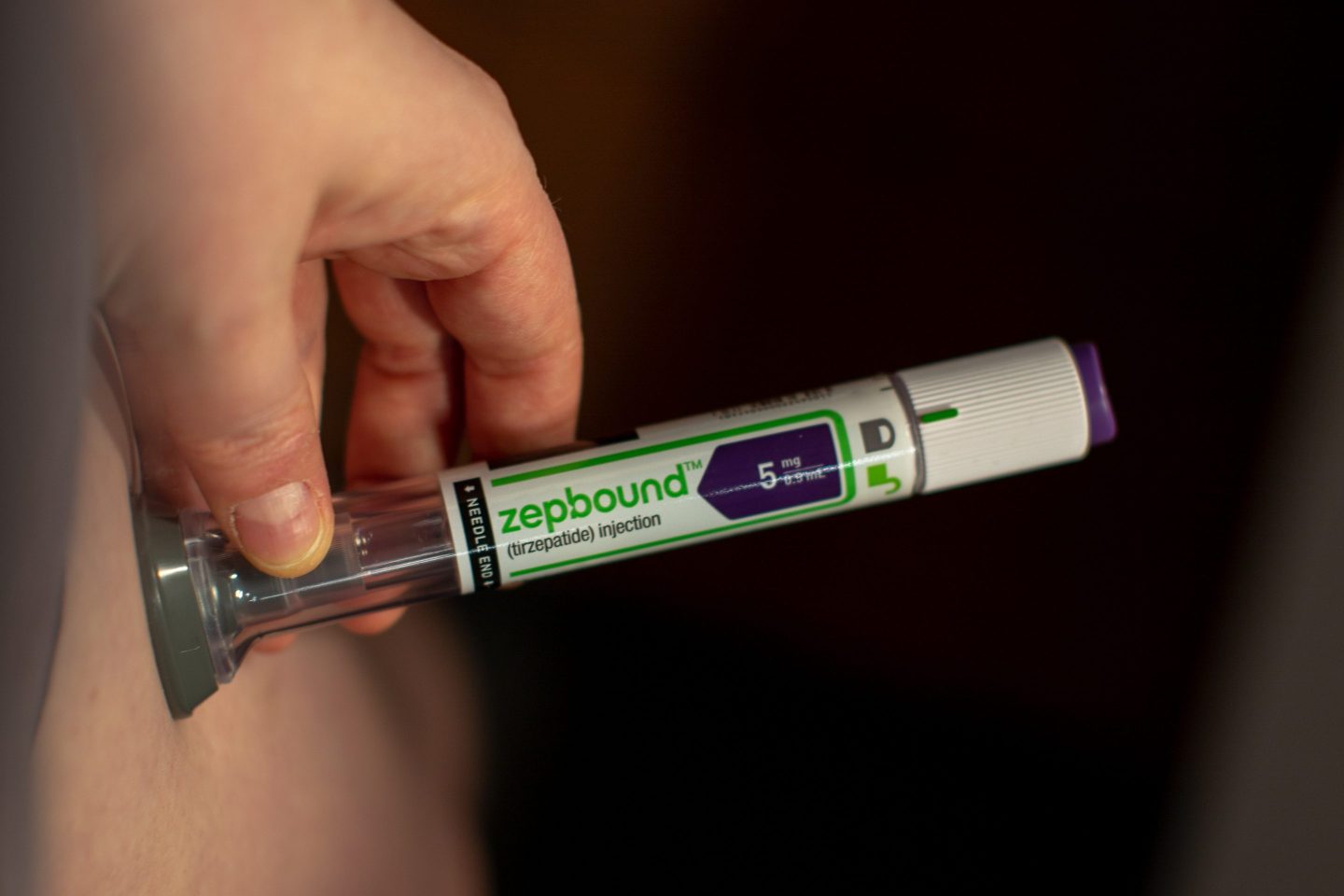
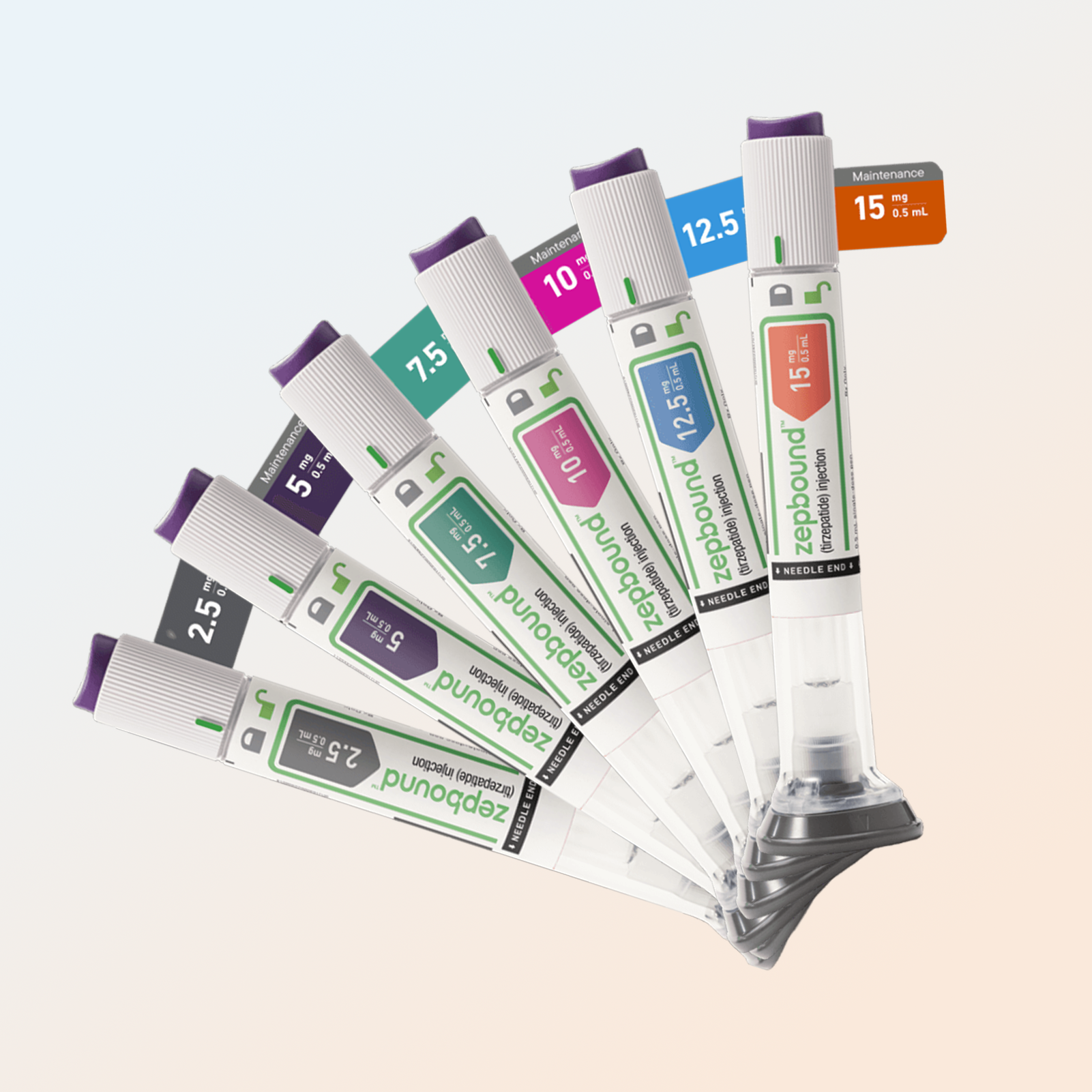
:max_bytes(150000):strip_icc()/VWH-Zepbound-a91ec7a305e8407d83daa7b41039b4aa.jpg)