Mechanistically, research shows that GLP-1 agonists can modulate the gut microbiome composition, enhance intestinal barrier function through increased mucin production, and reduce inflammatory cytokines implicated in IBS pathogenesis
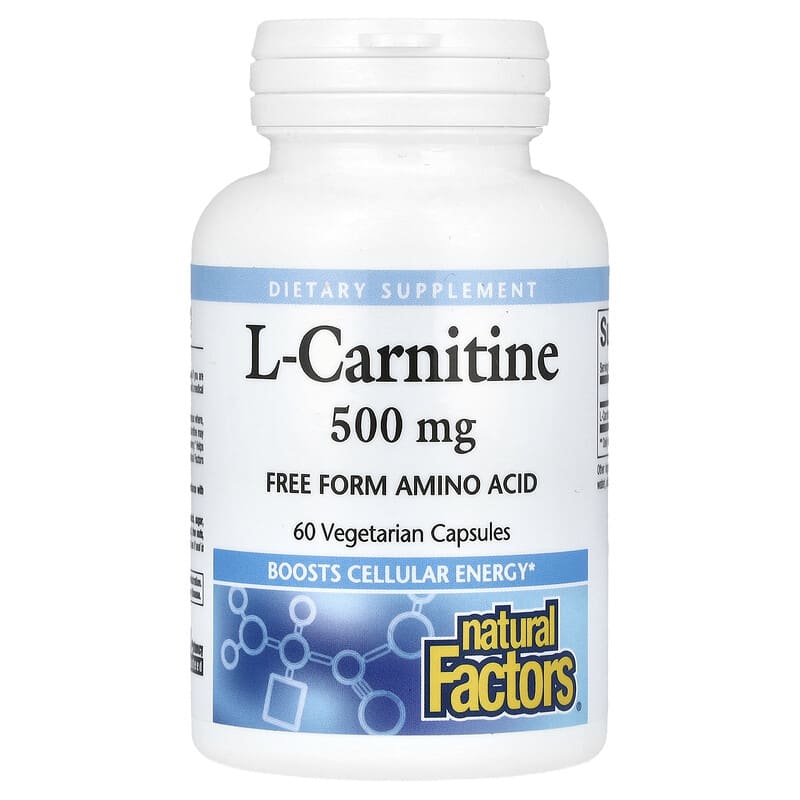
It suppresses the TLR4/NFB pathway, restores autophagy markers (LC3-II/LC3-I ratio, beclin-1), and reduces neuroinflammatory cytokines in LPS-induced models.[7] In Alzheimers disease models, acetyl-L-carnitine completely rescued mitochondrial membrane potential and oxygen consumption rates impaired by amyloid-beta oligomers.[8] Direct comparative clinical data for systemic (non-CNS) inflammation and mitochondrial dysfunction remain limited, making definitive recommendations challenging outside neurological contexts.[9] References Comparison of the Effects of L-Carnitine and Acetyl-L-Carnitine on Carnitine Levels, Ambulatory Activity, and Oxidative Stress Biomarkers in the Brain of Old Rats
Some functional factors that enhance physical strength can also increase the synthesis of phosphocreatine in the mitochondria, with creatine being the most typical example
Serotonergic and Dopaminergic Systems Research by Vignisse et al
8 Maintenance Treatment Stick to the recommended schedule for lasting results