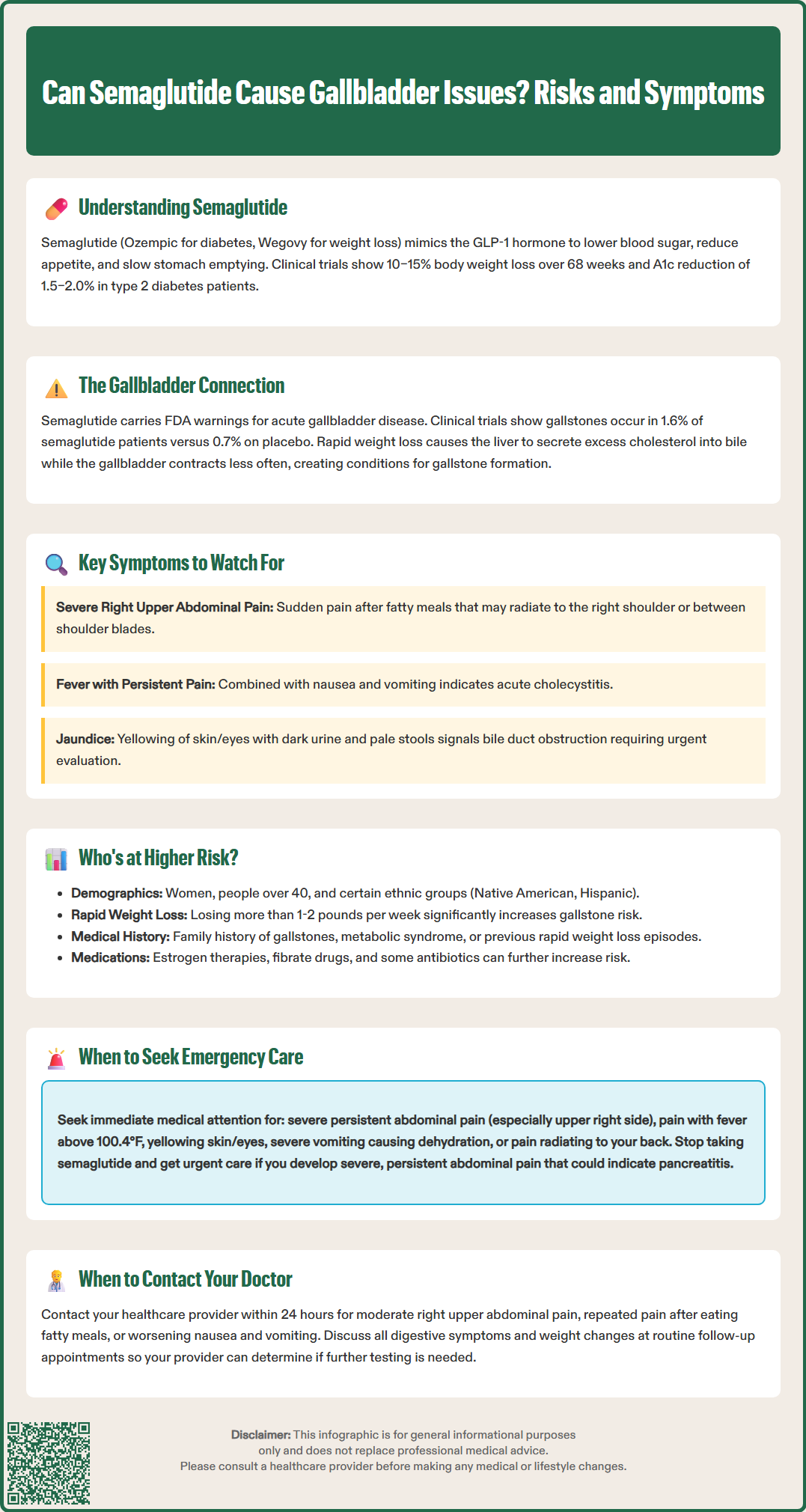
Given the potential for semaglutide to influence gallbladder function, healthcare providers must employ a thorough diagnostic approach to identify and address gallbladder issues promptly
This can have several causes
Medications that can blunt results Certain prescriptions can work directly against weight loss efforts, including: Antidepressants (SSRIs, SNRIs): May cause weight gain or appetite changes
Semaglutide base increases insulin release when blood sugar rises, lowers glucagon secretion, and slows gastric emptying, helping reduce post-meal glucose spikes
Some of these medications include: Selective serotonin reuptake inhibitors (SSRIs) such as Zoloft (sertraline), Paxil (paroxetine), Prozac (fluoxetine), and Celexa (citalopram) Serotonin and norepinephrine reuptake inhibitors (SNRIs) such as Effexor XR (venlafaxine) Antipsychotics such as Haldol (haloperidol) and Thorazine (thioridazine) Beta-blockers such as Lopressor (metoprolol) Antiarrhythmics such as Tambocor (flecainide) Monoamine oxidase inhibitors (MAOIs) Using an MAOI along with bupropion XL can raise your risk of having dangerously high blood pressure and even send you into a life-threatening hypertensive crisis